



VAT on Conservatories

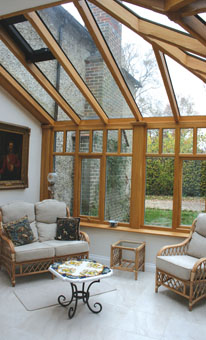 There is some confusion around VAT on conservatories and we hope the following explanation will show how different VAT rates are applied when certain conditions are met.
It used to be agreed that when building a new conservatory attached to a listed building or property, that the cost of building the conservatory will be Zero-rated for VAT purposes. As of the 1st October 2012 this no longer applies
Currently, new homes are zero rated for VAT in the UK, therefore if you are having a new home built it is worth considering including your conservatory in the design so that you can legitimately avoid paying VAT.
If you are planning to add a conservatory when renovating a single dwelling which has been uninhabited for three years or more, VAT will be applied at the reduced rate of 5%
VAT on Conservatories on Listed Buildings
The Zero-Rating for building conservatories on Listed Buildings is discontinued from the 1st of October 2012. All works not substantially commenced by the 21st March 2012 or completed by the 1st October 2012 are subject to VAT at the current standard rate.
VAT on Conservatories on New Homes
Currently, new homes are zero rated for VAT in the UK. If you are planning to build a new house, include a conservatory in the plans and it will be zero rated.
If you have a new home part way through its build, you may still have time to add a conservatory and legitimately avoid VAT. This generally applies to projects started within six months of the approval to build being given, but you will need to check that permitted development rights have not been removed. Ask your architect or builder for clarification.
VAT on Conservatories for Barn Conversions
If you are considering adding a conservatory to a barn conversion or other agricultural building the following rules apply:
• If a barn is a Listed Property a new conservatory will be zero rated for VAT. Unfortunately, it is difficult to obtain Planning Approval and Listed Building Consent for a conservatory on a listed barn so you should ask your architect or designer and the Local Authority what style, design or size might be acceptable. • If the barn is going through a conversion from an agricultural property, you may be eligible for VAT at the 5% rate. • If the barn is not a Listed Property and has already been lived in, conservatories are subject to VAT at the standard rate of 20%.
You must notify in writing the builders and tradesmen, (who must be VAT registered), you are using for the project that a reduced rate of VAT applies and they will invoice without VAT or with VAT at 5% on materials that they source and their labour costs. If you are buying materials yourself, you should reclaim VAT through HMRC within three months of completion of the project.
Before starting building a conservatory, you should apply for Planning Consent and take advice from a local VAT inspector at the same time.
VAT on Conservatories on Empty Properties
Conservatories added to properties that have been empty/uninhabited for three years or more and are being renovated as a single dwelling, will attract VAT at the reduced rate of 5%. After the work is completed the property must continue to be used for residential purpose.
Before the rate of 5% can be applied, you must have evidence to support the three-year non-occupancy of the property. Ask your Local Authority if they can supply this to you.
You should also check with your local VAT Inspector before commencing the work to ensure that the 5% rate applies.
VAT and Legal Undertakings
A few words of caution if an attempt is made to evade, rather than legitimately avoid VAT.
It is illegal for a company to offer a conservatory without VAT or for a customer to ask for it without the VAT.
If a potential customer asks a conservatory business or builder to build them a conservatory without VAT, they will have committed an offence and by law the company should report this to the relevant authorities.
You will find that most reputable companies will politely refuse the request and leave it at that; but to save any embarrassment and a call from a VAT inspector, don’t ask the question.
For further advice speak to your accountant or Contact Us for our best interpretation of the rules.
This information is provided for guidelines only – You should always seek independant advice in all financial matters.
